
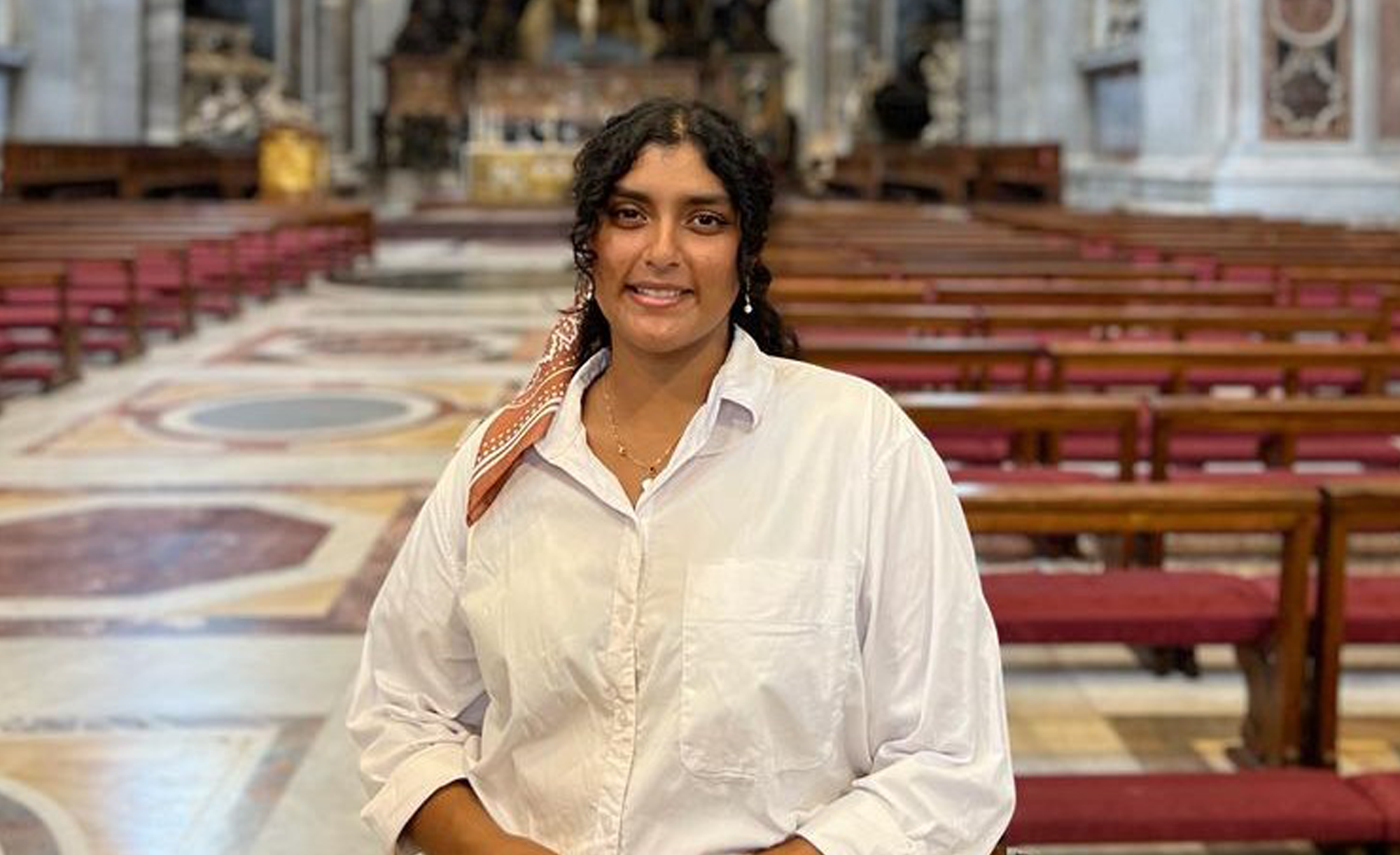
Splitting into small groups, the study abroad students scanned the stone-paved streets. They needed to recruit a specific type of person, someone open and friendly, not a fellow tourist. Beneath the bright sun in Florence, Italy, the students embraced the challenge of connecting with strangers.
To better understand the social determinants of health and what it means to be a healthy person, they inquired with locals about their lifestyle, access to produce markets and preferred method of transportation. Observation and surveying were key to their research project. Students measured levels of social determinants of health in Florence and compared them to surveys conducted at their home base in College Station.
In the College of Arts and Sciences, these high-impact experiences in learning take various forms, ranging from collaborative assignments and capstone courses, first-year seminars, undergraduate research, service and community-based learning, fieldwork, internships and global learning, such as studying abroad. It is an experience outside of the orthodox classroom environment, usually hands-on, that provides advanced educational enrichment.
Texas A&M is recognized for its extensive study abroad opportunities as it partners with more than 100 countries to give Aggies the chance to experience diverse cultures and engage globally. Through interdisciplinary programs, students participate in field schools, service-learning projects, or cultural exchange programs that enable them to enhance academics and immerse themselves in cross-cultural environments while developing professionally.
The Department of Anthropology at Texas A&M explores human variation across time and space, offering students a dynamic understanding of our shared past and present. With faculty expertise spanning archaeology, biological anthropology, cultural anthropology and nautical archaeology, the department equips students with the skills and perspectives for impactful careers in fields such as cultural resource management, museum studies and human resources.
Dr. Allison Hopkins, associate professor in the Department of Anthropology and director of undergraduate studies, has been a driving force behind the department’s expanding focus on medical anthropology, working closely with colleagues to build a curriculum that bridges cultural understanding and health sciences.
Her leadership has helped position anthropology as a compelling premedical student alternative on campus, offering students a holistic lens on healthcare that integrates human biology, global health, and social context. She has also led two study abroad programs to Italy and is planning to lead another to Spain next summer, giving students immersive experiences that deepen their understanding of health and healing across cultures.
“Learning excavation, or conducting the entire trajectory of cultural anthropology research, can be hard to teach students in a classroom setting,” said Hopkins. “You may be able to introduce it to them, but they're not going to get a full sense of it unless they are steeped in a project for multiple days.”
Esha’s Cultural Journey
One of the students who journeyed abroad, Esha Uddaraju, carefully examined the culture she experienced while she was immersed in it. “I learned the importance of social health,” she said, “which is an important aspect of overall wellness. This medical anthropology research emphasized various aspects of health outside of the medical field. For example, the local people in Florence seem to be in the moment, interacting with friends, catching trains, dining at cafes, walking around and taking things a little slower.”
Now a graduate of Texas A&M’s anthropology program, Uddaraju is pursuing a doctorate in medicine at Texas A&M’s Naresh K. Vashisht College of Medicine. “We had the opportunity to talk to health care professionals in Italy and learn the differences between the medical systems of our two countries,” she said. “This time abroad makes me a more well-rounded future doctor because I'm thinking about how lifestyle holistically affects a person's health.”
With only a few hours in the classroom, the study abroad experience provided something unique: “It was less about the didactic classroom experience and more about learning through activities,” she said.
Shifting through Sand and Science: Undergraduate Student Sets Out to Write Thesis
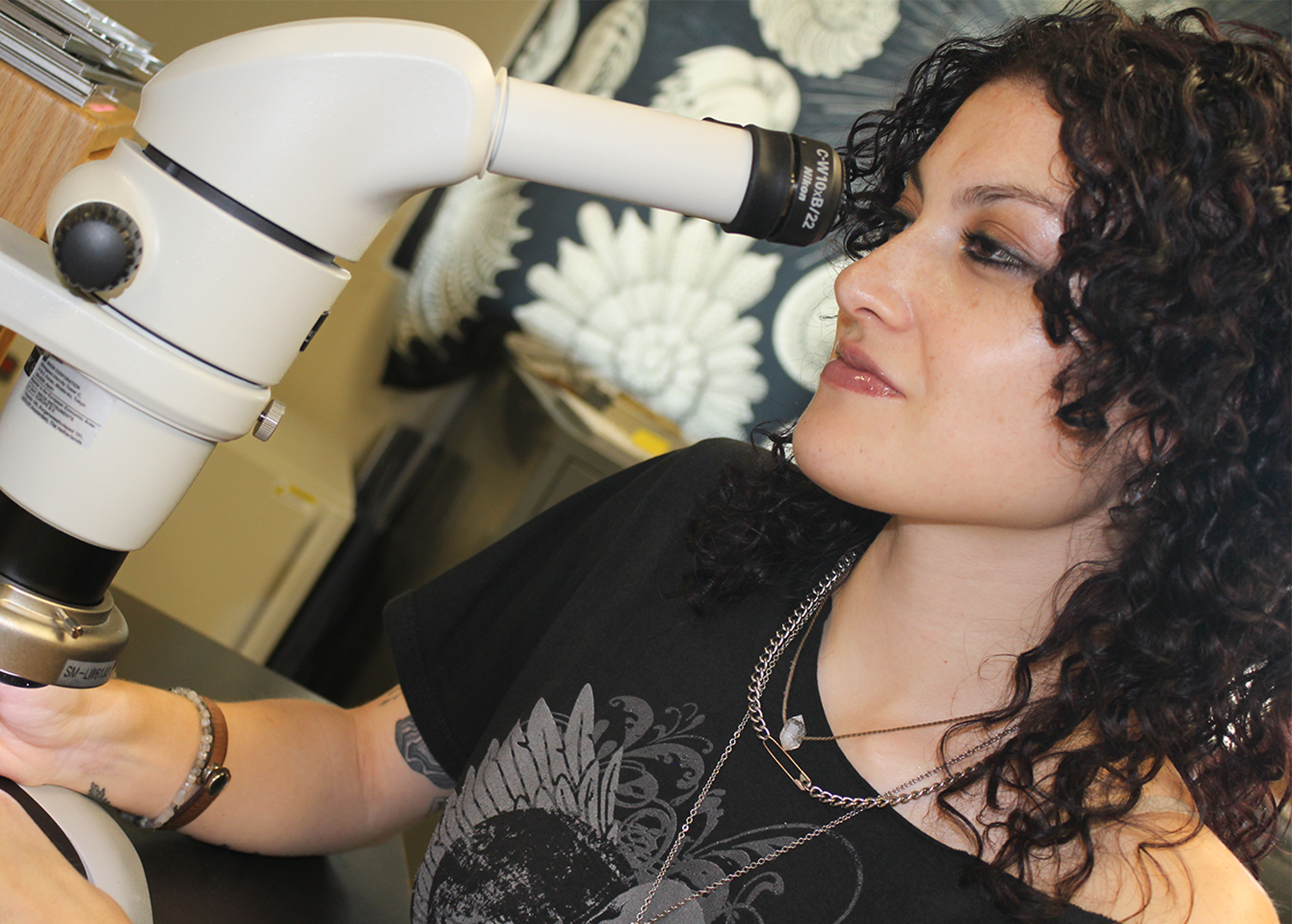
After spending hours squinting at her computer, reading scientific articles and digitizing data to answer global oceanographic questions, Isa Richardson remains enthusiastic about another lab day spent with fossils. She has been working with fellow undergraduates on a database project in the Department of Geology and Geophysics. At her workspace, she carefully selects a sediment sample, separating the microfauna — sand-sized, single-cell organisms — from finer sediment and allowing them to dry.
Using nail art brushes and a drop of water to make them stick, she removes “any little critter I find that isn’t just sand,” a process she describes as “quite therapeutic.” From there, she painstakingly sorts them by species, narrowing the batch to around 300 per sample.
In 2022, Richardson joined First2Rise, a National Science Foundation-funded grant and mentee program for students with no previous research experience. Under the guidance of Dr. Christina Belanger, associate professor in the Department of Geology and Geophysics, who specializes in marine paleoecology, paleoenvironments, climate change and foraminifera, Richardson began researching and entering data as a first-year student.
“During my first semester, I was unfamiliar with how to manipulate data using Microsoft Excel,” Richardson said. “There's a bit of a learning curve to it.”
Her first research project focused on entering data to identify where different species of foraminifera — microscopic sea-floor organisms whose shells record past and present ocean conditions — live across the ocean floor. aiming to use these tiny fossils to understand how oceans have changed over the last 65 million years.
“I described foraminifera to students as little amoebae that make shells,” Belanger explains. “Using their fossil shells, we can infer what the oceanic environment was like, as long as we understand the environments each species prefers today. All the data is distilled into one database so we can start asking questions about how deep-sea ecosystems change with Earth’s climate.”
This research examines foraminifera, which reside in both surface water and deep-sea environments. Because they preserve well in sediments and precipitate shells that reflect their surrounding chemistry, they provide a way to reconstruct and track climate change and oceanic ecosystems. Richardson investigates the morphology of benthic foraminifera to determine whether changes in shape throughout their lives confer ecological or evolutionary advantages. She has discovered that some shells contain fool’s gold, while others are composed of what she believes may be microplastics.
This information can be used to predict future climate change, highlight human impacts on marine ecosystems, and emphasize the need for their protection.
“Foraminifera are used as environmental proxies to understand the past, so I think it is absolutely absurd that these certain species are changing halfway through their lives and nobody has bothered to figure out why,” Richardson said. “When it comes to evolution, nothing happens ‘just because;’ it happens in response to something else.”
Now a senior, three years after starting First2Rise, Richardson has started writing an undergraduate thesis utilizing the data she helped compile. She hopes to pursue a master’s degree in paleoecology with a focus on fossil preparation and environmental gradients, and eventually work in a museum preparing larger fossils, such as vertebrate specimens.
"Take Chances and Trust Your Abilities”
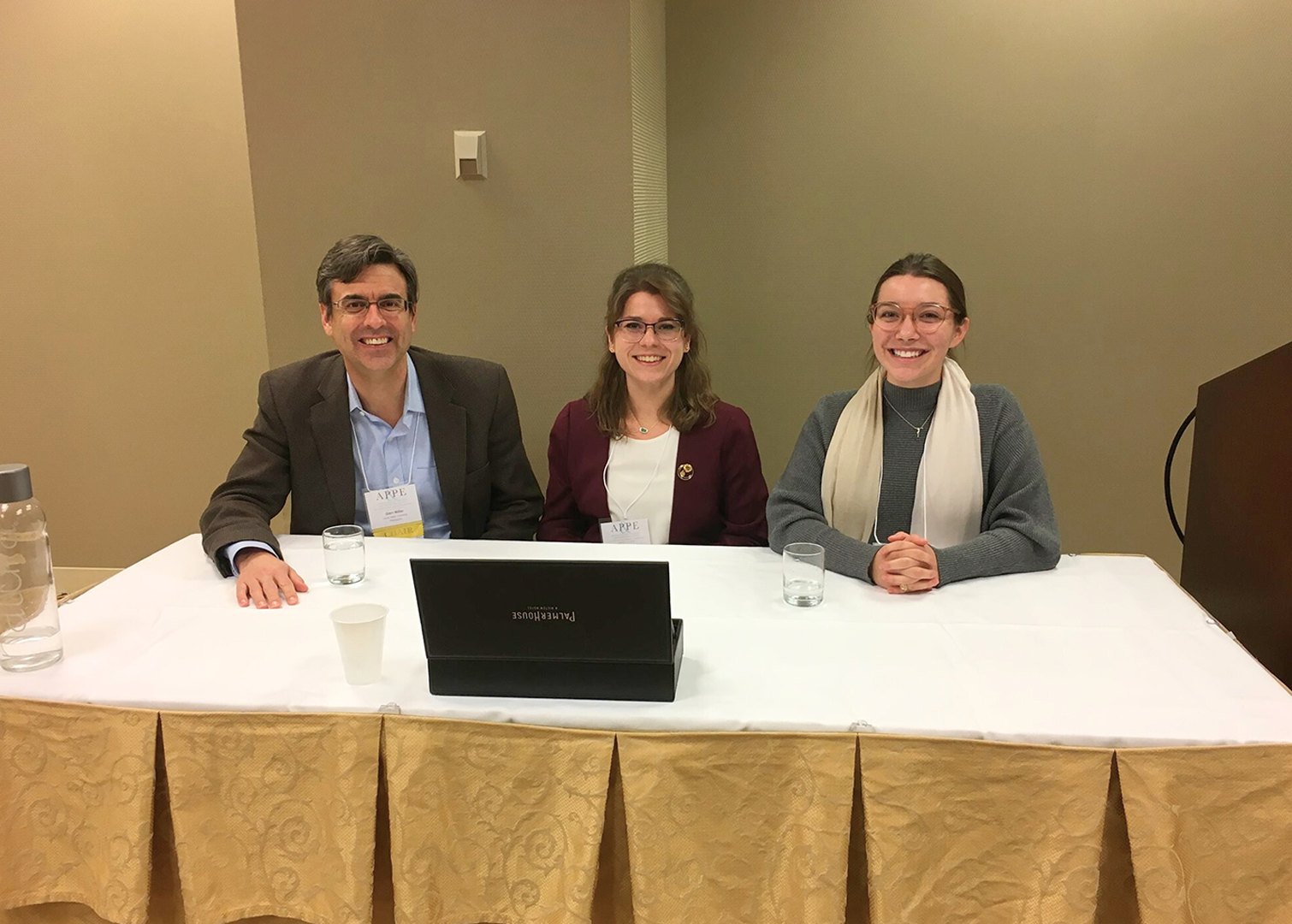
Many Texas A&M former students identify multiple high-impact learning experiences that significantly enriched their education. Kirsten Worden, who graduated from Texas A&M in 2018 with a dual bachelor's degree in philosophy and political science, first worked for the Pew Research Center as a research analyst and then completed a law degree from Texas A&M University School of Law in May 2025.
Looking back, she credits several Texas A&M out-of-the-classroom experiences with her success as a corporate and securities associate with Bradley Arant Boult Cummings LLP, such as presenting undergraduate research at the Association for Practical and Professional Ethics.
“Classroom conversation is often predetermined, but when you're presenting your own research as an undergraduate at a conference, it’s about your ideas and what you have to contribute to the conversation.”
Worden also founded Aletheia, the Undergraduate Journal of Philosophy.
“Starting the Aletheia journal and watching it grow taught me the value of being a contributing member of a community,” she said. “It's not just about research papers or getting an A in a class. I consider my greatest successes at Texas A&M to be experiences I created to fill a need in the community. My work on Aletheia also set me up for law school and remains one of the experiences people ask about most often on my resume.”
Reflecting on her journey, she encourages students to take chances and trust their abilities.
“Don’t doubt yourself or hold yourself back,” she said. “You may surprise yourself.”
She admitted there were times when she turned down opportunities because she didn’t believe she was ready.
“Looking back,” she added, “I was absolutely good enough.”
For the Love of Research: North Family Funds Summer Chemistry Program
A recent college initiative, the Summer Research Scholars Program, is designed to support students in the Department of Chemistry who wish to conduct research during the summer. The program is similar to the National Science Foundation (NSF) Research Experience for Undergraduates (REU) program, which provides a generous stipend for students who require income during the summer. The difference is that this program focuses exclusively on students attending Texas A&M.
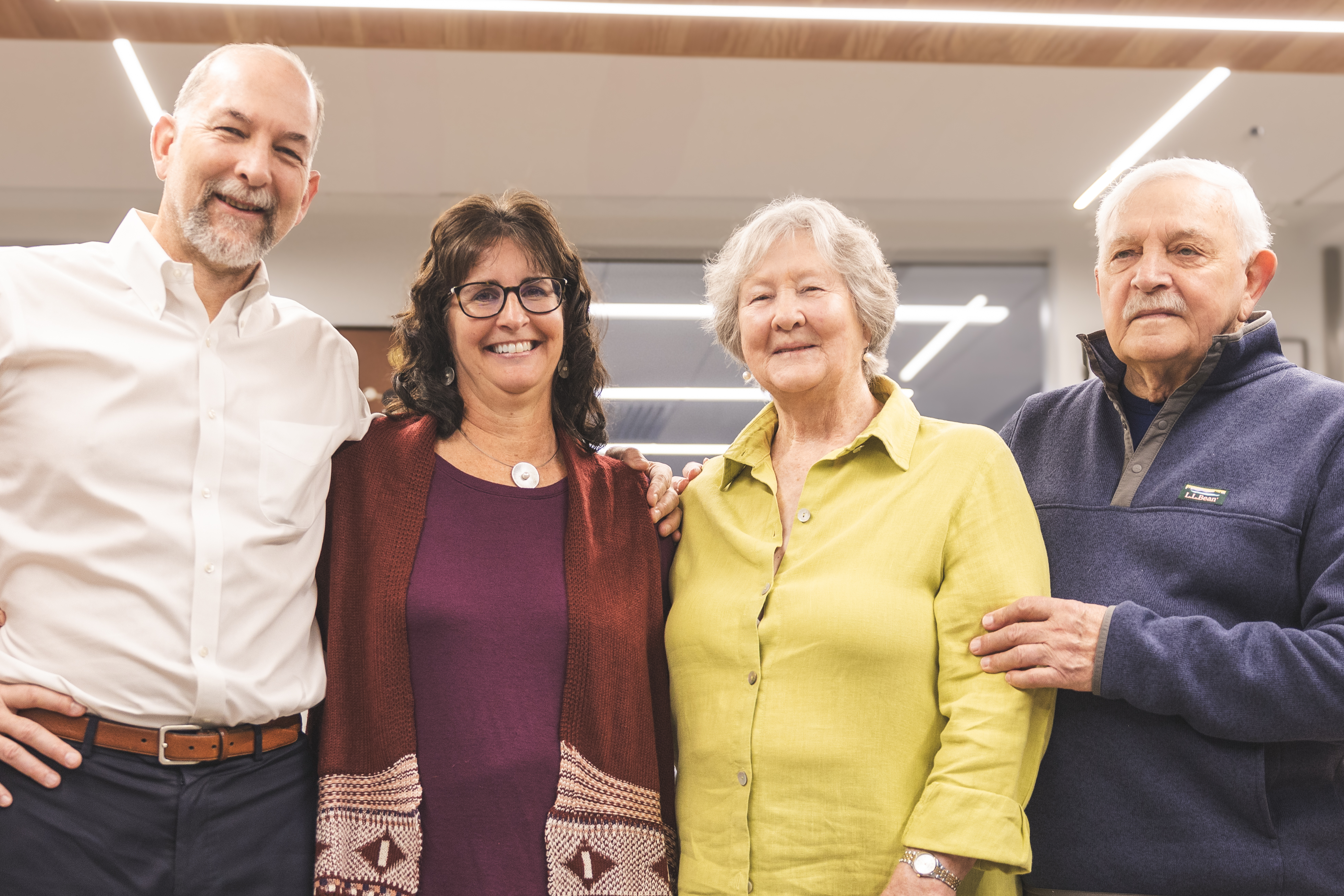
Dr. Simon North, interim dean of the College of Arts and Sciences and the John W. Bevan Professor of Chemistry, played a fundamental role in establishing the Summer Research Scholars Program and securing initial funding during his time as head of the Department of Chemistry. Now, with his family, he is funding an endowed gift to support the program, which will enable support in perpetuity.
“The idea of giving back something was important, and it was the right time,” he said. “It was something that I felt passionate about because it supports something that made a tremendous difference in my career trajectory.”
His family’s donation provides additional support to the program, which extends financial support for students who may wish to conduct full-time research during the summer but may lack the resources.
“The REU program — Research Experience for Undergraduates — completely changed my career trajectory,” said North. “I ended up pursuing laser chemistry, which was not something I had originally planned,” said North. “It shifted my interests in chemistry and played a significant role in helping me go to graduate school and pursue what I eventually did. It had a profound impact.”
North reflected on how his own NSF experience affected his career and the value of these programs as an R1 top-ranked research institution, “I think that access to high-impact research opportunities is our strength as an institution,” he explains.
Research runs in North’s family: His father was a researcher at Dartmouth College Medical School, and his two children are pursuing research at Texas A&M.
“I told our kids that Texas A&M is a big place, so you are going to need to find opportunities for yourself,” North said. “You can’t sit back and wait until they come to you. You must go look for them. Our gift will make it easier for chemistry students to fund summer research that may spark the next big discovery.”
Family remains an important value to Dr. North, so when he was considering contributing, he and his family discussed making a gift and eventually decided to support the Summer Research Program together.
“I started it towards the end of my time as the Chemistry department head and encouraged former students to support the program. Luckily, some of them shared my passion for having this opportunity for our students. I was trying to get people excited about it. I talked to several donors, and we got some money,” explains Dr. North. “Then my family decided we should do this too, particularly as I stepped down from serving as department head.”
Help Us Prepare Them For Careers And Global Citizenship
Every student deserves the chance to step beyond the classroom and into experiences that challenge, inspire and prepare them for success. In the College of Arts and Sciences, high-impact learning opportunities are transforming lives. We invite you to be part of that transformation. Learn more on our website, or contact Ophelia Bennett, chief development officer, at obennett@tamu.edu or 979-862-1546.