
The Department of Sociology recently founded the Dr. Jane Sell Graduate Fellowship to provide funding for graduate students who are working to understand the causes and consequences of social inequality in groups. The first fellowship was awarded in Fall 2024 to Cindy Barahona. This fellowship will be given out annually to a graduate student researching topics like social justice, status inequality, inequality in groups, the use of public goods, or similar topics.
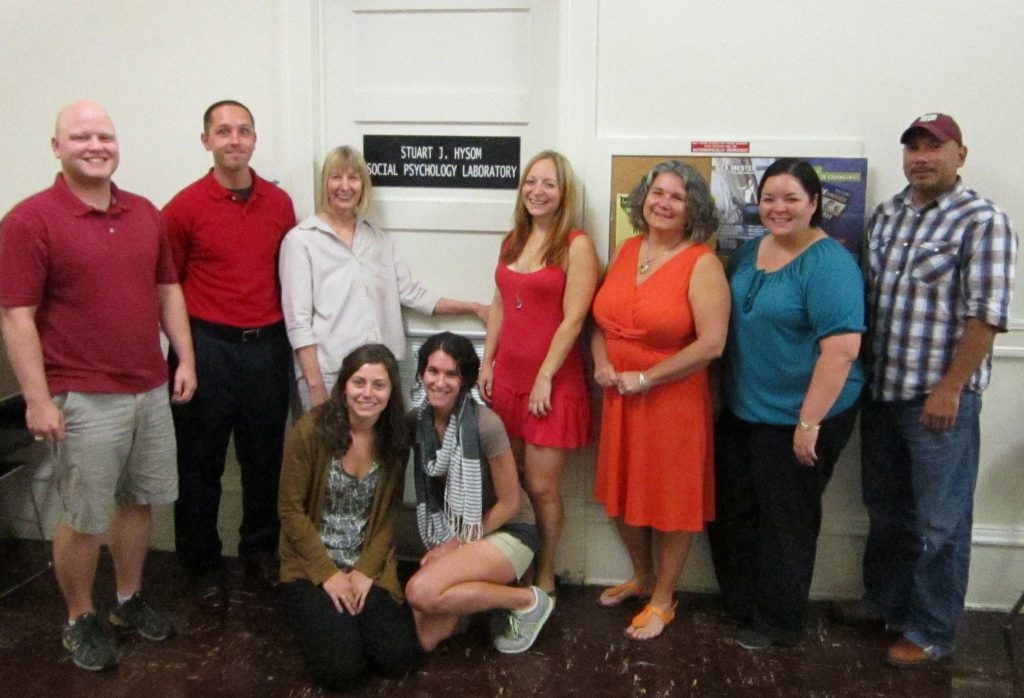
Your donation will go directly to support Aggie students!
Graduate school is a very busy time where students are taking courses, working on research projects, and class assistantships. This fellowship will help students afford to spend time collecting their own data, writing research articles, traveling to academic conferences, and other living expenses. The more we raise, the more we can help students! For example:
$4,000 would cover in-state resident tuition and fees for a semester
$1,000 would cover travel to a major academic conference
$180 would cover a subscription to analysis software for a year
$50 would cover registration for an academic conference (at the student rate)
TO DONATE ONLINE:
- Go to www.txamfoundation.com/give
- Select “An Unlisted Account (Enter Manually)” from drop down menu
- Enter Account #02-512915-30000
- In the “Additional Comments” section, please enter “Dr. Jane Sell Fellowship”
Dr. Jane Sell retired in August 2020, after spending her whole career – more than 40 years – at Texas A&M University. During that time, the Department of Sociology grew from a new program to one that is now home to more than 75 graduate students. Dr. Sell has always been a tireless advocate for students, staff, colleagues, and rigorous science. (You can read a tribute to her written when she won the 2017 Cooley-Mead Award for Distinguished Scholarship here.)
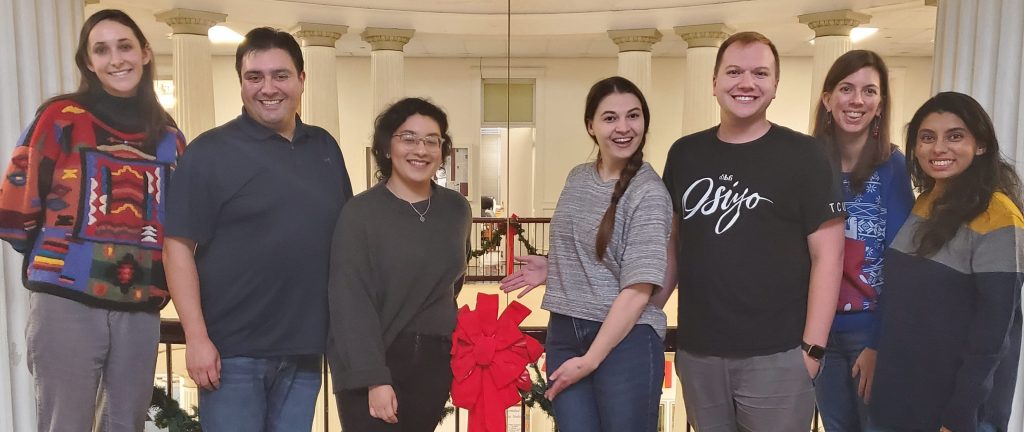 Join us today in funding the Dr. Jane Sell Fellowship for graduate students. Jane devoted her career to helping graduate students at Texas A&M, and this annual fellowship in her name is a fitting tribute. Thank you for supporting our students, and please help us spread the word!
Recipients of Dr. Jane Sell Fellowship
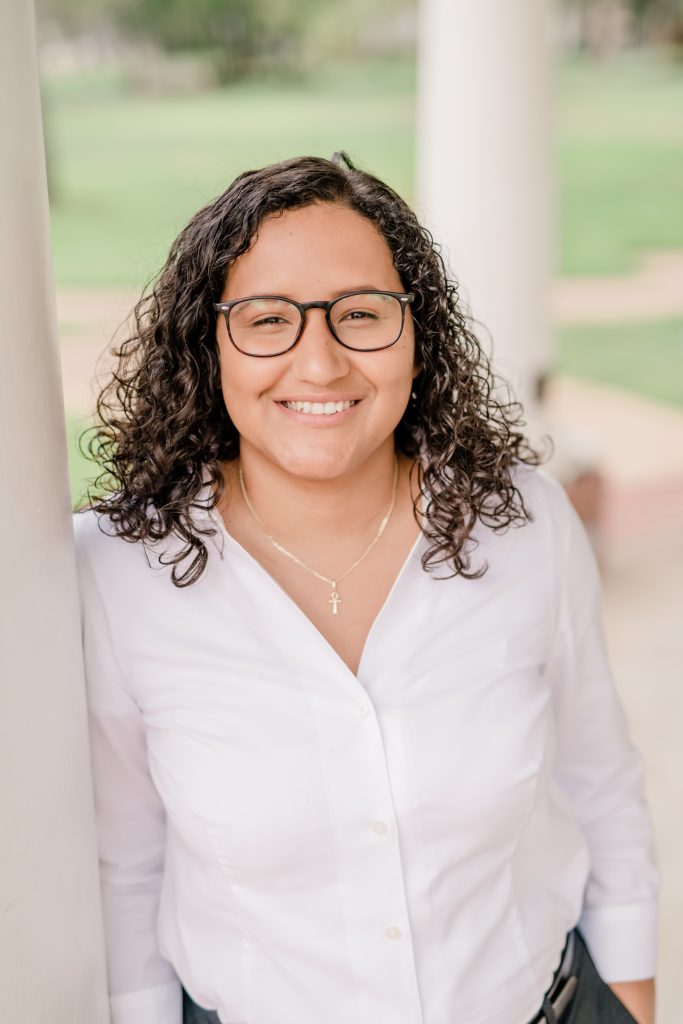
Fall 2024 – Cindy Barahona
Cindy’s dissertation examines the experiences of recently graduated undocumented students, both with and without DACA, as they navigate the transition out of college. Drawing on the concepts of legal violence and transition to illegality, her dissertation aims to answer two main research questions: 1) How do recently graduated undocumented students experience structural and symbolic violence in their transition out of college? 2) In what ways does this experienced violence impact a delayed transition to illegality? She uses a Participatory Action Research (PAR) approach and semi structured interviews methodology from a longitudinal data collected through three waves of interviews from 2021 to 2023.
The findings from this study will offer insights into the hurdles faced by undocumented graduates, including the barriers to accessing opportunities post-college and the internalized stigmas they navigate in college and immediately after graduating their institutions of higher education. This research will contribute to the understanding of the intersection of legal violence, education, and undocumented status, providing a nuanced perspective on the transition out of college for this population. By centering the voices and experiences of undocumented students, this study aims to inform policies and practices that better support their pathways beyond higher education, ultimately advocating for a more inclusive environment for all.